

Scattering Ashes in Florida Waters: A Family Guide to the Atlantic, Intracoastal, and Beyond
For many families in Palm Beach County, the water is not just a backdrop. It is a way of life. The Atlantic Ocean, the Intracoastal Waterway, and the many lakes and rivers that define South Florida's landscape hold deep personal meaning for residents and seasonal visitors alike. When a loved one had a special connection to these waters, scattering their cremated remains at sea or along a beloved waterway can be one of the most fitting and beautiful final tributes a family can offer. This guide walks through what families need to know before choosing this path.
Why Water Scattering Resonates With So Many Florida Families
Palm Beach County draws people who love the outdoors, the coast, and the unique natural beauty of South Florida. Fishermen, boaters, swimmers, and those who simply found peace sitting near the water make up a significant portion of the communities Tillman Funeral Home serves. For these individuals and their families, returning cremated remains to the water honors the life that was lived in a way that feels authentic and deeply personal.
Water scattering is also a choice that aligns naturally with cremation services, which continue to grow in popularity across Florida. Once cremation is complete, families have the flexibility to plan a scattering ceremony at a time and place that is meaningful to them, without the constraints of cemetery scheduling or burial timelines.
Federal Rules for Ocean Scattering
Scattering cremated remains in the ocean is regulated at the federal level by the Environmental Protection Agency under the Marine Protection, Research, and Sanctuaries Act. The primary requirement is straightforward: scattering must take place at least three nautical miles from the shoreline.
For Palm Beach County families, this means heading out into the Atlantic Ocean beyond the three-nautical-mile threshold. Families are also required to notify the EPA within 30 days of the scattering. This notification can be completed online through the EPA's website and is a simple, brief process. No permit is required in advance, but the post-scattering notification is a legal obligation families should not overlook.
Flowers and other biodegradable materials may be scattered alongside the remains, but non-biodegradable items such as plastic or metal should not be placed in the water. Urns must either be biodegradable or the remains must be removed from a non-biodegradable container before scattering.
The Intracoastal Waterway: What Families Should Know
The Intracoastal Waterway is beloved by boaters and water lovers throughout Palm Beach County, but it is not subject to the same federal ocean scattering rules. Because the Intracoastal is an inland waterway, scattering there falls under a different set of jurisdictions, including state and local regulations that vary by location.
Florida does not have a single statewide law specifically governing scattering in inland waters, but local ordinances and water management district rules may apply. Families interested in scattering along the Intracoastal should consult with their funeral director and, if necessary, check with the relevant local authority before proceeding. In many cases, private property along the waterway is also a factor, and permission from adjacent landowners may be needed depending on the specific location.
Working with a funeral home that has guided families through this process before is invaluable. The right provider will help you understand which locations are appropriate and what steps are required for the specific area you have in mind.
Planning a Meaningful Scattering Ceremony
The legal requirements for water scattering are relatively simple, but the ceremony itself can be as elaborate or as intimate as the family wishes. Some families charter a boat and gather a large group of loved ones for a formal ceremony at sea, complete with readings, music, and flowers. Others prefer a quiet, private moment with just a few close family members on a vessel that belonged to the deceased.
Personalization plays a meaningful role in making a scattering ceremony feel like a true tribute. Incorporating the deceased's favorite music, reading a passage that held significance to them, or choosing a location where they spent cherished time transforms a simple act into a powerful farewell.
Families should also consider the timing of the ceremony. Weather along the South Florida coast can be unpredictable, particularly during hurricane season, and sea conditions affect the comfort and safety of any boating excursion. Choosing a calm, clear day makes the experience more peaceful for everyone present.
Biodegradable Urns and Water-Specific Products
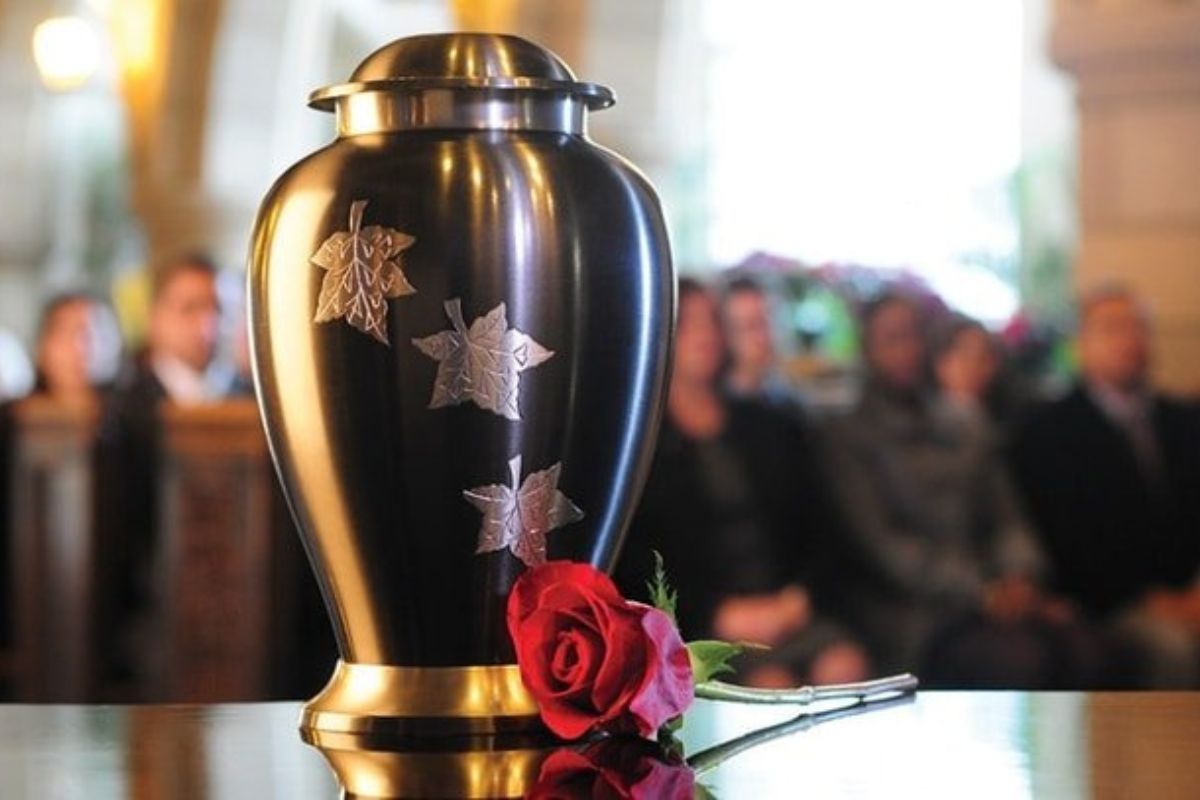
For families who wish to place an urn directly into the ocean rather than scattering loose remains, biodegradable urns designed specifically for water are widely available. These urns float briefly before gently sinking and dissolving in the water, creating a serene visual experience for families watching from a vessel.
Some families choose to include flowers or biodegradable wreaths that can be placed on the water alongside the urn, creating a beautiful and environmentally appropriate ceremony. Your funeral director can help you identify products that meet both your aesthetic preferences and the applicable environmental regulations.
Grief Support After the Ceremony
A scattering ceremony can bring profound closure, but it can also stir deep emotion in the days and weeks that follow. Families who have chosen this path sometimes find that the lack of a physical gravesite changes how they process grief, with no dedicated place to visit when missing their loved one feels acute.
Grief resources and support are available to help families navigate this experience. Connecting with a grief counselor, joining a support group, or simply having access to ongoing bereavement support from your funeral home can make a meaningful difference in the healing journey.
Some families also create a secondary memorial, such as a bench, a garden stone, or an online memorial page, to provide a place of remembrance that complements the scattering ceremony and gives loved ones somewhere to direct their thoughts and memories.
Serving Families Who Love the Water
At Tillman Funeral Home and Crematory, we understand the deep connection that Palm Beach County families have with Florida's waters. We are here to help you honor that connection in a way that is legally sound, personally meaningful, and truly reflective of the life your loved one lived.
If you have questions about water scattering, cremation options, or how to plan a ceremony that feels right for your family, please reach out to our team at any time. It would be our honor to help.