

Hispanic and Latin American Funeral Traditions in West Palm Beach
West Palm Beach is home to a large and vibrant Hispanic and Latin American community, representing families with roots in Cuba, Puerto Rico, Mexico, Colombia, the Dominican Republic, and many other countries and regions. While these communities are diverse in their backgrounds, languages, and customs, many share deeply held values around family, faith, and the way loved ones are honored after death. Understanding these traditions helps funeral providers serve these families with the cultural sensitivity and genuine respect they deserve.
Family as the Foundation of Mourning
In Hispanic and Latin American cultures, the family unit is central to every aspect of life, and this holds especially true in death. When a loved one passes, it is common for extended family members to gather immediately, traveling from across the country or even internationally to be present. The home may fill with relatives within hours of a death, and the collective presence of family is understood as both an obligation and a comfort.
This communal approach to grief means that funeral arrangements often need to accommodate larger groups than providers might typically expect. From the initial planning conversations to the service itself, families may arrive together and wish to participate collectively in decisions. A funeral home that welcomes this dynamic and works with the family as a whole rather than isolating a single decision-maker earns deep trust from these communities.
Traditional services that allow for extended visitation periods and flexible gathering spaces are often particularly well-suited to the needs of Hispanic and Latin American families in Palm Beach County.
The Velorio: A Night of Vigil and Community
One of the most significant funeral customs across many Hispanic and Latin American cultures is the velorio, a wake or vigil that typically takes place the night before the funeral service. The velorio is not simply a viewing. It is a communal gathering where family and friends come together to pray, share memories, eat, and support one another through the night. In many traditions, the vigil continues until the early hours of the morning.
The velorio serves a deeply important social function. It gives the community a structured opportunity to show up for the grieving family, and it allows mourners to spend one final night in the presence of the deceased before the burial or cremation takes place. Prayers, rosaries, and religious music are common features of the velorio, and the atmosphere blends solemnity with warmth in a way that is unique to this tradition.
Funeral homes serving West Palm Beach's Hispanic community should be prepared to accommodate extended evening hours and larger gatherings to honor this tradition properly.
Religious Dimensions of Latin American Funeral Rites
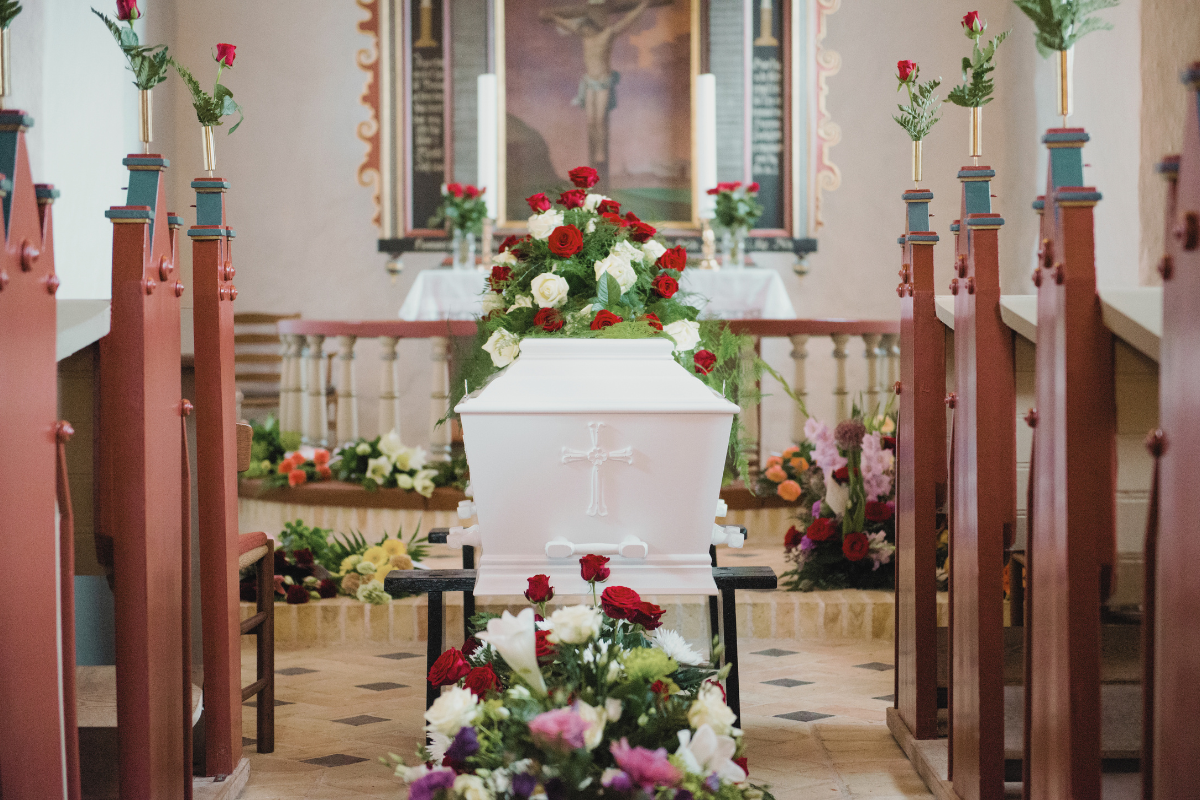
The majority of Hispanic and Latin American families identify as Catholic, and Catholic funeral rites play a central role in how services are structured. A funeral Mass, prayers for the soul of the deceased, and the presence of religious symbols such as rosaries, crucifixes, and images of saints are common elements. Coordination with a local parish is often an important part of the planning process, and families may have a specific church they are connected to in the West Palm Beach area.
However, it is important to recognize that religious practice varies widely across Latin American communities. Evangelical and Pentecostal Christianity are growing traditions in many of these communities, as are Afro-Caribbean spiritual practices such as Santería, which blend Catholic and indigenous African religious elements. A funeral home that approaches each family without assumptions and asks thoughtful questions about their specific traditions will always serve them better than one that applies a single template.
Personalization is especially important here. Incorporating the specific prayers, music, symbols, and rituals that held meaning for the deceased and their family transforms a service from a generic ceremony into a deeply personal farewell.
Attitudes Toward Burial and Cremation
Traditionally, burial has been the preferred form of final disposition in many Hispanic and Latin American cultures, rooted in Catholic teaching and a strong cultural emphasis on having a physical place to visit and grieve. Cemeteries hold great significance in these communities, and visiting the grave of a loved one on anniversaries, birthdays, and Día de los Muertos is a meaningful ongoing practice for many families.
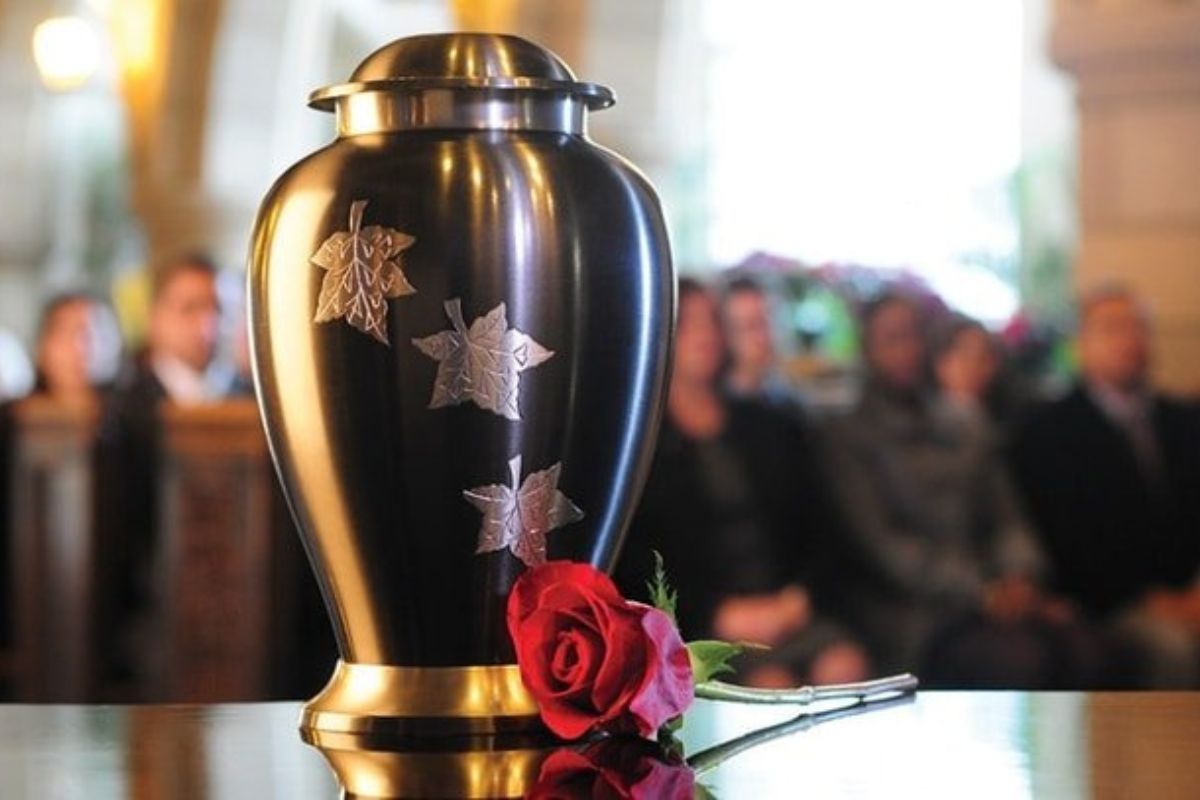
That said, attitudes toward cremation are shifting across generations, particularly among younger and more acculturated members of these communities. Cremation services are increasingly chosen by Hispanic families in Palm Beach County, sometimes in combination with a traditional funeral Mass and visitation. Families navigating this decision may benefit from an open conversation with their funeral director about how cremation can be incorporated into a service that still honors their cultural and religious values.
Language Access and Cultural Comfort
For many Hispanic and Latin American families in West Palm Beach, Spanish is the primary language spoken at home. Navigating the practical and legal aspects of funeral arrangements in a second language, during a time of acute grief, is genuinely difficult. Having access to Spanish-speaking staff or interpretation support is not simply a convenience. It is a meaningful expression of respect that allows families to communicate their wishes clearly and feel fully understood.
Beyond language, cultural comfort matters. Families should feel that their customs are recognized and welcomed rather than treated as exceptions to a standard process. A funeral home that has served the Hispanic community in Palm Beach County over time brings familiarity and sensitivity that newer providers may not yet have developed.
Supporting Families Through Grief
Grief in Hispanic and Latin American communities is often expressed openly and collectively. Emotional displays of mourning are not discouraged but embraced as a natural and healthy part of saying goodbye. Funeral homes that create space for this kind of authentic grieving, rather than environments that feel overly formal or restrictive, provide a more culturally appropriate experience.
Ongoing grief resources that are accessible and culturally informed can also make a lasting difference for families in the weeks and months following a loss. Support that acknowledges the particular ways grief moves through close-knit, faith-centered communities is especially meaningful.
Honoring Every Family With Dignity and Respect
At Tillman Funeral Home and Crematory, we are honored to serve the diverse families of West Palm Beach and Lake Worth, including the many families with Hispanic and Latin American heritage who make this community so rich. We are committed to approaching every family with cultural sensitivity, genuine compassion, and a deep respect for the traditions that matter most to them.
If you would like to discuss how we can serve your family, we warmly invite you to connect with our team at any time. We are here to listen, to honor, and to help.