

Catholic Funerals in Palm Beach County: Coordinating With Diocese of Palm Beach Parishes
For Catholic families in Palm Beach County, a funeral is not simply a farewell. It is a sacred rite rooted in centuries of tradition, theological meaning, and communal prayer. The Catholic Church's Order of Christian Funerals provides a rich framework for honoring the deceased while offering comfort to the living, and coordinating that framework with a local parish and a trusted funeral home is a process that benefits greatly from experience, clear communication, and genuine respect for the faith.
The Diocese of Palm Beach: A Brief Overview
Palm Beach County falls within the Diocese of Palm Beach, which was established in 1984 and serves Catholic communities across four counties in South Florida. The diocese encompasses dozens of parishes throughout the region, from large suburban churches to smaller faith communities in more rural areas. Each parish has its own staff, scheduling protocols, and pastoral approach, which means that coordinating a Catholic funeral involves working closely with the specific parish where the deceased or their family holds membership.
For families who are active in a local parish, this relationship is often already established. For those who have drifted from regular attendance or who are arranging a funeral for a loved one who belonged to a parish in another city or state, navigating the diocese's structure can feel unfamiliar. A funeral home with experience serving Catholic families in Palm Beach County can serve as a valuable bridge between the family and the parish during this process.
The Three Stations of the Catholic Funeral Rite
The Order of Christian Funerals structures the Catholic funeral around three principal gatherings, each with its own purpose and setting.
The first is the Vigil for the Deceased, which corresponds closely to the traditional wake or visitation. This gathering typically takes place at the funeral home or the family's home and involves prayers, scripture readings, and reflection. It is an opportunity for the community to come together in the presence of the deceased before the formal church rites begin.
The second station is the Funeral Mass, celebrated at the parish church. This is the central and most sacred element of the Catholic funeral rite, during which the Eucharist is celebrated and the life of the deceased is commended to God. The Funeral Mass includes specific prayers, readings, and responses that are part of the Church's liturgical tradition, and it is typically celebrated by the parish priest or deacon.
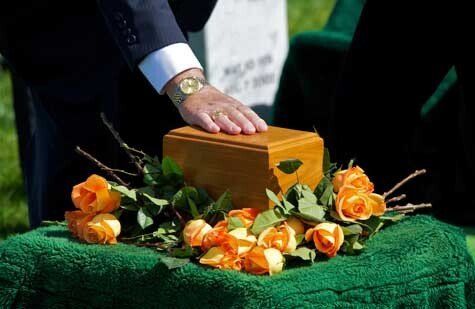
The third station is the Rite of Committal, which takes place at the graveside or at the entrance to a mausoleum or columbarium. This brief but meaningful rite marks the final earthly farewell and commends the body to its resting place.
Traditional services that incorporate all three of these stations provide Catholic families with the fullness of the Church's funeral rites and the complete arc of communal mourning that these traditions are designed to offer.
Coordinating With the Parish
One of the first practical steps after a death in a Catholic family is contacting the parish to schedule the Funeral Mass. Parish offices typically handle scheduling, and families should be prepared to work around the parish's calendar, the availability of the presiding priest or deacon, and any liturgical restrictions that apply during certain seasons of the Church year.
The funeral home plays an important coordinating role here. Experienced funeral directors who regularly work with Diocese of Palm Beach parishes understand the scheduling process, know the appropriate contacts at local churches, and can help families communicate efficiently between the parish office and the family. This coordination reduces the logistical burden on grieving families and ensures that the timing of the visitation, the Mass, and the committal all align properly.
Families should also be prepared to discuss music selections, readings, and any personalized elements they wish to incorporate into the Mass. While the liturgical structure of a Funeral Mass is set by the Church, there is meaningful room for personalization within that structure, including the choice of hymns, the selection of scripture passages, and the option to include a eulogy or words of remembrance outside the formal liturgy.
Catholic Teaching on Cremation
Catholic teaching on cremation has evolved significantly over the past several decades. The Church now permits cremation, provided it is not chosen for reasons that contradict Catholic beliefs about the resurrection of the body. However, the Church's strong preference remains for the burial of the body, and specific guidelines govern how cremated remains are to be handled.
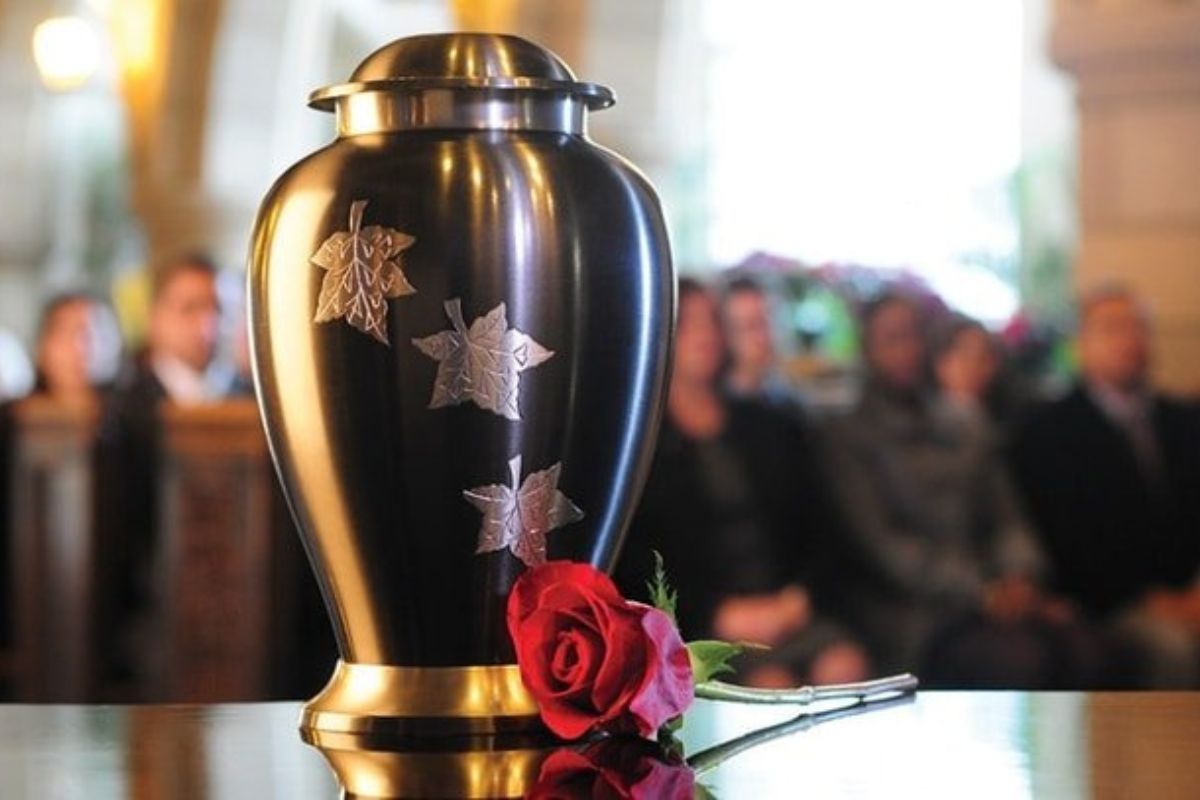
According to guidelines issued by the United States Conference of Catholic Bishops, cremated remains must be treated with the same respect accorded to the body and must be buried or entombed in a cemetery or mausoleum. Scattering of remains and keeping them at home are not permitted under current Catholic guidelines, as the Church teaches that cremated remains deserve a sacred and permanent resting place.
Families considering cremation services within a Catholic context should discuss these guidelines with both their funeral director and their parish priest to ensure that their plans are in alignment with Church teaching. A knowledgeable funeral home will help families understand all of their options and navigate any questions that arise.
Planning Ahead as an Act of Faith
For many Catholic families, planning ahead for one's own funeral is understood as a natural extension of a faith that takes the realities of mortality and the hope of eternal life. Documenting one's wishes, selecting a parish for the Funeral Mass, and communicating preferences to family members in advance is a generous and faithful act that spares loved ones from making difficult decisions under pressure.
Pre-planning also ensures that the specific Catholic rites a person values are clearly understood and can be honored without confusion. Families who have had this conversation in advance are far better equipped to coordinate with the parish and the funeral home when the time comes.
Serving Catholic Families With Reverence and Care
At Tillman Funeral Home and Crematory, we have deep respect for the Catholic funeral tradition and the role it plays in bringing comfort and meaning to grieving families throughout Palm Beach County. Our team is experienced in coordinating with Diocese of Palm Beach parishes and is committed to supporting Catholic families through every step of the process with the reverence their faith deserves.
We welcome you to get in touch with our team to discuss how we can serve your family. It is our privilege to walk alongside you during this sacred time.